Marc Andreessen, venture capitalist, married to … wait, what?
A recent book got me thinking about Silicon Valley’s history. Its origins predate the age of information technology, and yet relics of those times still structure the Valley. In this post, we go through just enough about its past to appreciate the significance of the curious incident that is Marc Andreessen’s marriage with Laura Arrillaga-Andreessen.
Before we start, a quick note: I am sure that many people are familiar with the content of this post. In fact, you probably know more about it than I do. If, however, you have not heard about Marc Andreessen before, or do not see anything special about the name Arrillaga, the following might interest you as much as it fascinated me.
Silicon Valley, semiconductors, and a lot of real estate
For $reasons, I have been reading up on Silicon Valley lately. On topic, Adrian Daub has recently published a great little booklet called “Was das Valley herrschen nennt” (literally “What the Valley calls reign”). It takes the veil off some of the myths that surround the Valley.
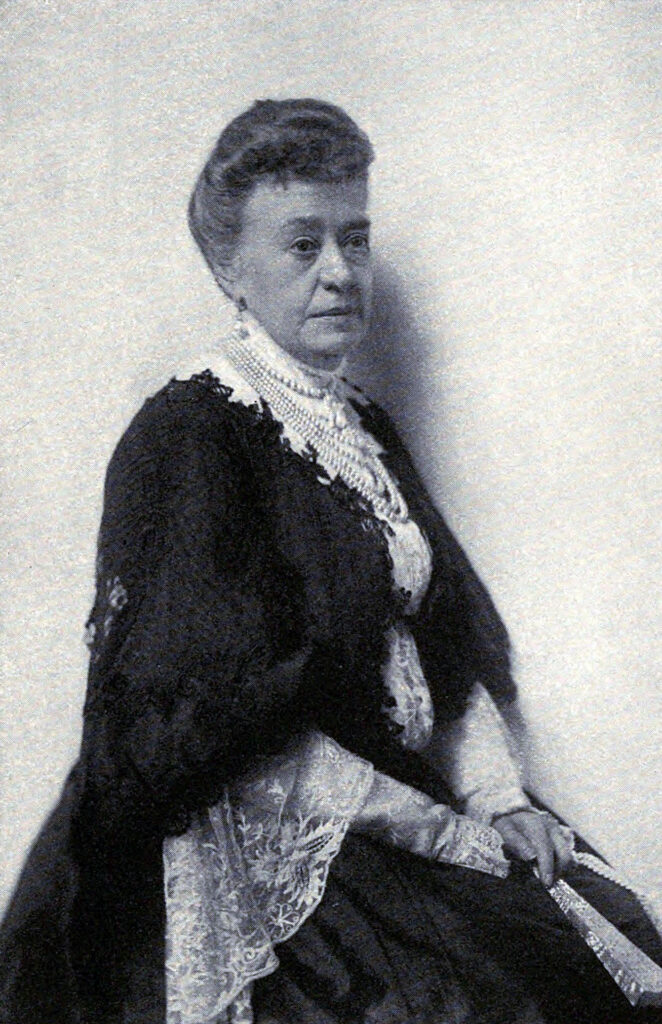
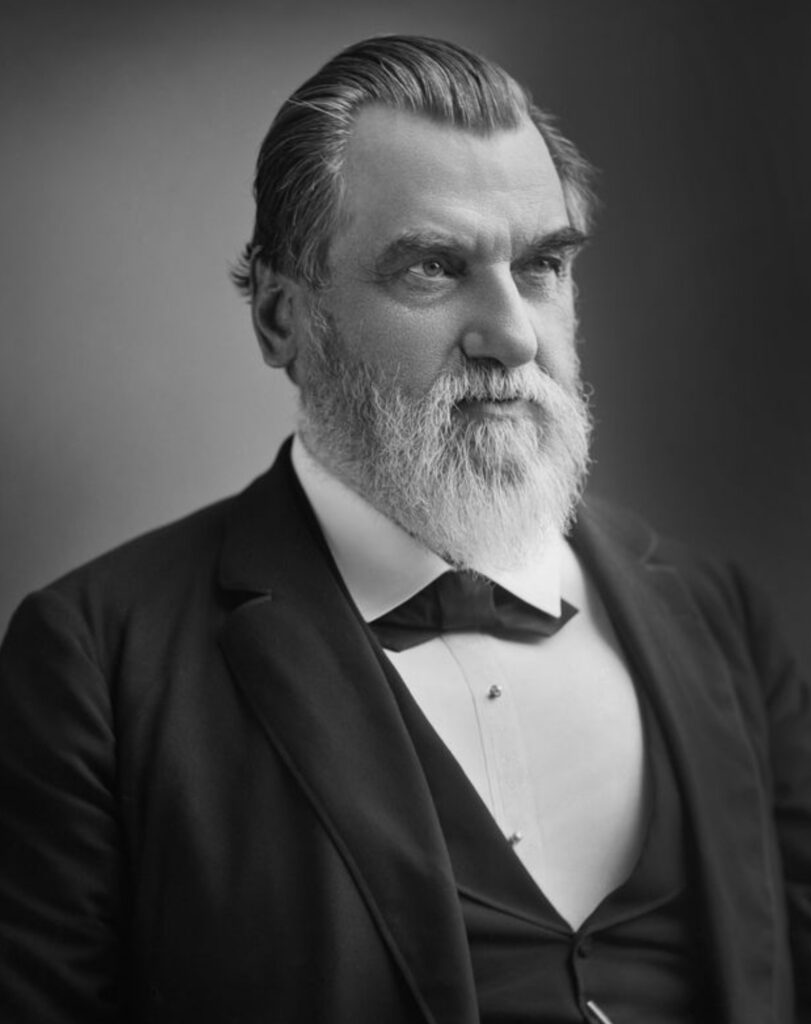
Daub traces the valley’s history (which would eventually turn it into the Valley): A fairly unknown university called Stanford existed somewhere on the West Coast. Its founders were Jane and Leland Stanford. The latter was a politician and industrialist who had made his fortune building national railways. Today, we would call this public infrastructure. With this money, Stanford University could grow. It was progressive in some respects and had a couple of departments, but it was far from where it is today.
The big take-off came in the 1950s, when (racist and eugenicist, but also) co-inventor of the transistor and Nobel Laureate William Shockley moved to Palo Alto. Eight engineers eventually left his company, founded Fairchild Semiconductor International, Inc. and determined the future of the Valley.
The semiconductor industry grew around the university and Fairchild. They attracted more companies and more bright minds. And so the Valley grew. Most of the land used for this expansion was Leland Stanford’s old summer estate. Daub summarizes this as follows:
Land holdings were turned into company shares and rental income, which in turn became a foundation’s capital of over thirty billion dollars. […] Silicon Valley is where old money is given the veneer of eternal youth.
Adrian Daub (2026): Was das Valley herrschen nennt. (Disgracefully translated by yours truly.)
This already is a nice story to tell: The area that has produced outspoken libertarians like Peter Thiel and Elon Musk was enabled by public spending. These billionaires, who owe their success at least in part to the Silicon Valley’s institutions, networks, and reputation, are publicly opposing any government spending. They are cancelling entire agencies or actively building their own little corporate nation states. The irony is apparent.
But, of course, their (financial and political) power is well-deserved – or so they say. The dominant narrative is that they are brilliant people who can see the future, who improve our lives and who, by the means of their own brightness, are simply entitled to their wealth. To anyone inclined to agree with this, I can recommend Adrian Daub’s first book on the matter, “What Tech Calls Thinking,” where he dissects these arguments. The Valley’s mythos is the result of carefully crafted biographies, incorporating crucial elements like the obligatory university drop-out. But in the end, successful Valley offspring is simply given the right money at the right time.
Capital meets capital
Which brings us to the fun little moment that triggered this post: We know that the Valley was nourished by old railway money. Today, Venture Capital (VC) provides the liquidity and corporate backing. Surely, they only got their capital from clever investment decisions! Here is one such story:
Marc Andreessen, a big name in VC, used to be a software engineer. While working at the National Center for Supercomputing Applications in Urbana, Illinois, he built the successful Mosaic browser together with a colleague. It was released in 1993. He then founded his own company Netscape to sell the browser, had to rebuild it under the name Netscape Navigator, and made his fortune this way. Today’s successor of the Netscape Navigator is Mozilla Firefox.
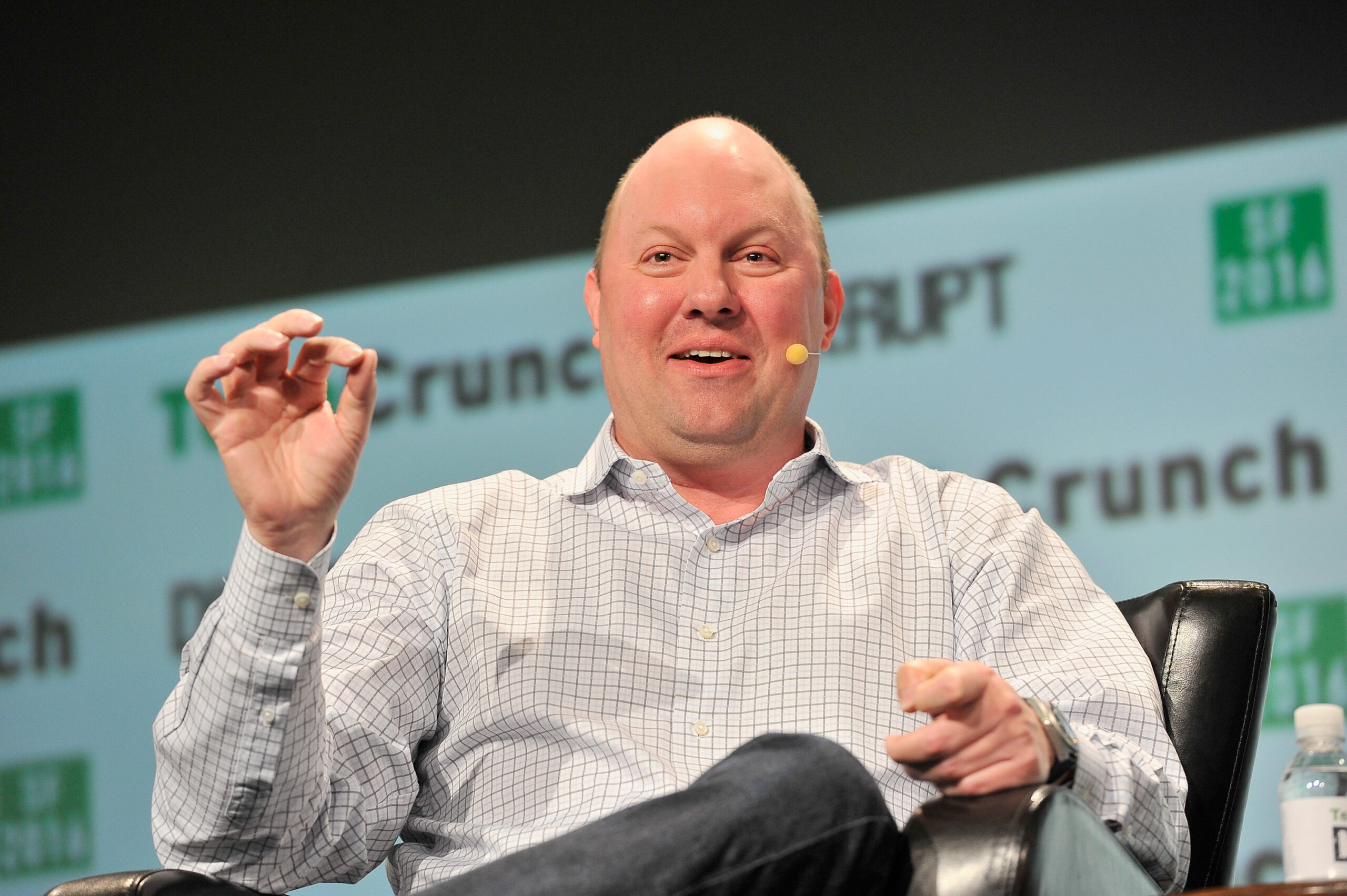
Netscape lost the browser wars (an actual thing) to Microsoft’s Internet Explorer (yes, really) and the company was eventually sold to AOL. Andreessen continued to start companies that would later be sold with a profit. He served on the boards of Meta, HP, and others. Today, his primary endeavour seems to be a VC firm called Andreessen Horowitz (legally AH Capital Management, LLC), managing some 90 billion USD in assets.
That is as big as it gets with VC right now. But it is not what I find fascinating. It is also not Andreessen’s political views, his donations to Donald Trump, or the “Techno-Optimist Manifesto” he wrote. No, it is his marriage. In particular, his wife’s family. Marc Andreessen is married to Laura Arrillaga-Andreessen, daughter of John Arrillaga.
I almost read past this the first time, but then I stopped – I had seen this name before. In Adrian Daub’s book. Arrillaga is almost as present in Stanford as the name Stanford itself. And once more, it is not because John Arrillaga was good at tech. No, he was in fact a real-estate tycoon. John Arrillaga became a billionaire by converting farm land into office parks where eventually somebody had to move in. His company owned more land than anyone else in Silicon Valley. And his daughter, with her own philanthropic foundation, is married to Mr. VC Marc Andreessen himself.
Sometimes, history is just too good to be true.
This post has been run through LanguageTool and Mistral Large 3 for spell-checking.